

Approach
Growing communication through play
Every child learns differently. Therapy should too.
There is no one-size-fits-all approach to Speech and Language Therapy.
I take time to understand the child behind the communication — their personality, strengths, interests, experiences and individual needs.
From there, therapy is shaped around what will help them engage, learn and make meaningful progress.
My aim is to create a space where children feel comfortable being themselves, while giving them the right support to develop their communication.
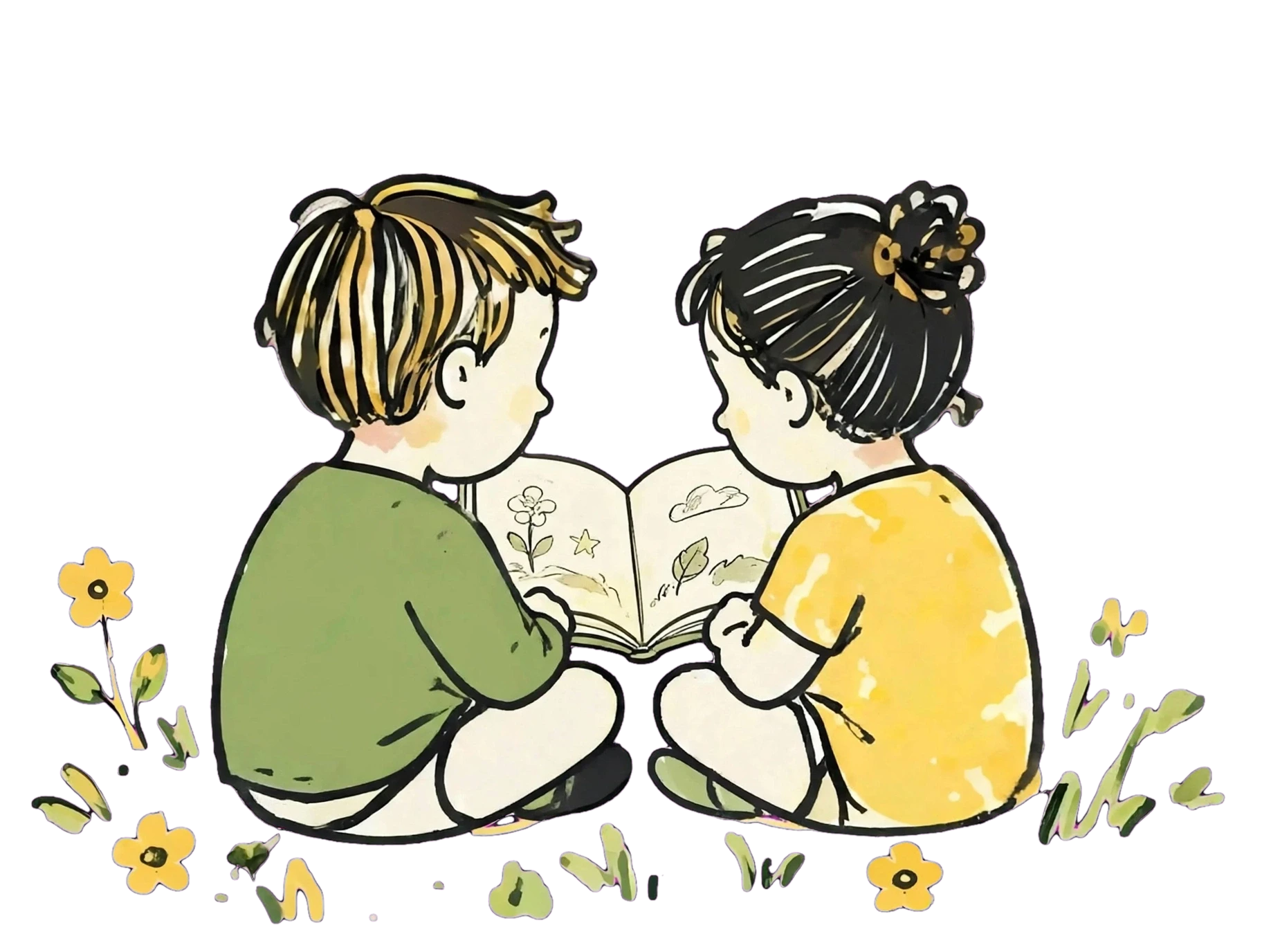
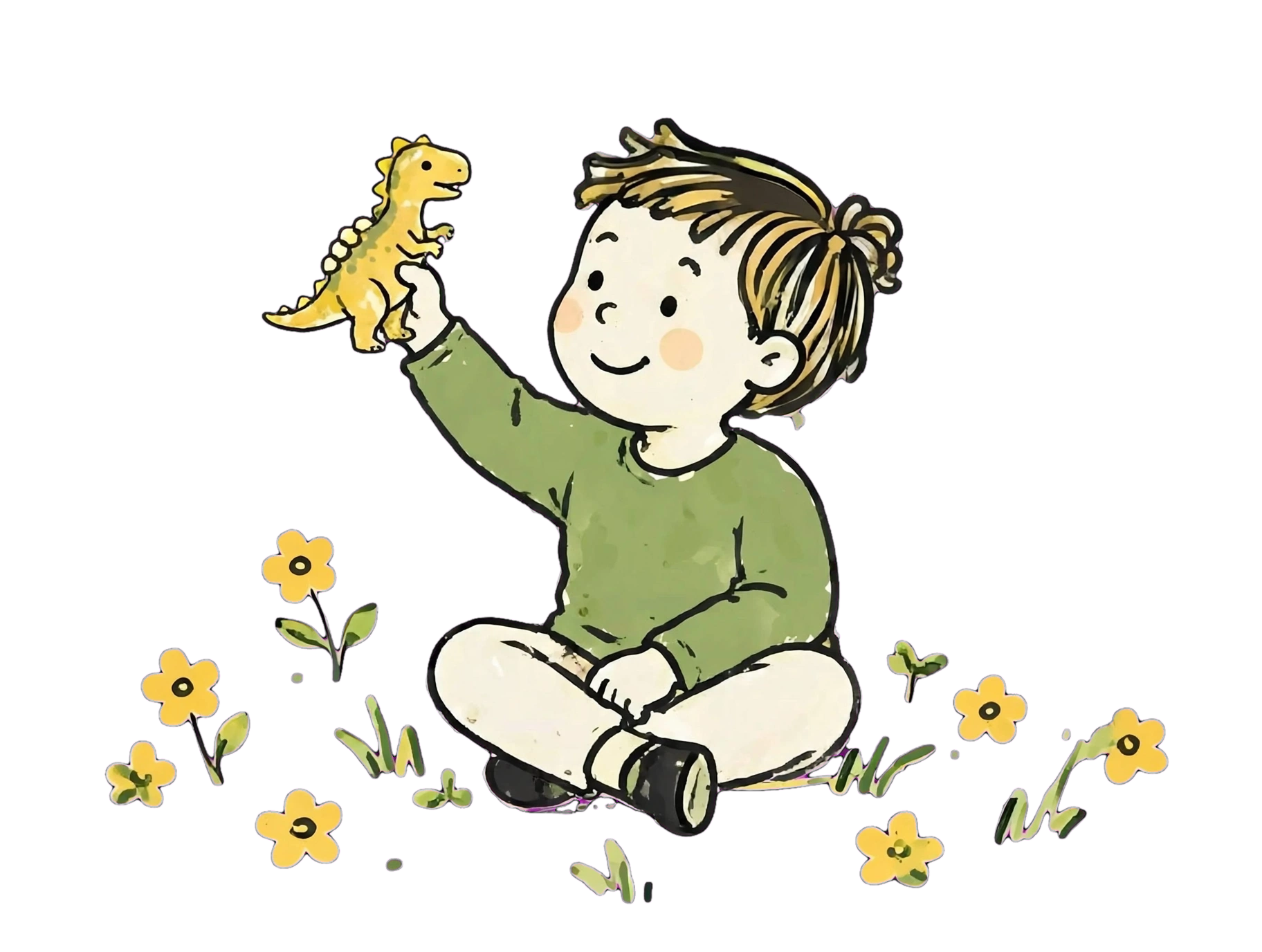
It might look like play. But every interaction has a purpose.
Play can be a wonderful way to support communication because it is natural, motivating and meaningful to children.
A shared game, story or imaginative activity can create opportunities for communication to develop without making learning feel like a chore.
But play isn’t the only way children learn.
Some goals benefit from focused, structured practice, and some children respond best when activities are more clearly defined.
That’s why I use a balance of play-based and structured activities, depending on the child, their goals and what will help them learn best.
The aim is to make therapy engaging without losing sight of what we’re working towards.
What guides my approach
01
Child-centred
Start with the child, not just the difficulty.
A child’s communication needs are only one part of who they are. Their interests, personality, strengths and motivations all influence how they learn. I use these as a starting point when thinking about therapy, rather than expecting every child to fit the same approach.
02
Playful & purposeful
Making therapy enjoyable, while keeping it meaningful.
I want children to look forward to therapy, but every activity has a reason behind it. Sometimes that reason is developing a particular communication skill. Sometimes it’s creating an opportunity to practise a skill in a natural interaction. The balance of play and structure is guided by the individual child.
03
Evidence-informed
Warmth and expertise go hand in hand.
My clinical decisions are informed by current evidence, professional knowledge and clinical experience. I also consider the individual child, their circumstances and the people around them. Because evidence provides a foundation, but effective therapy also needs to make sense for the child in front of me.
Evidence-informed. Individualised. Always child-centred.
Communication is bigger than the therapy room
Communication doesn’t happen in isolation.
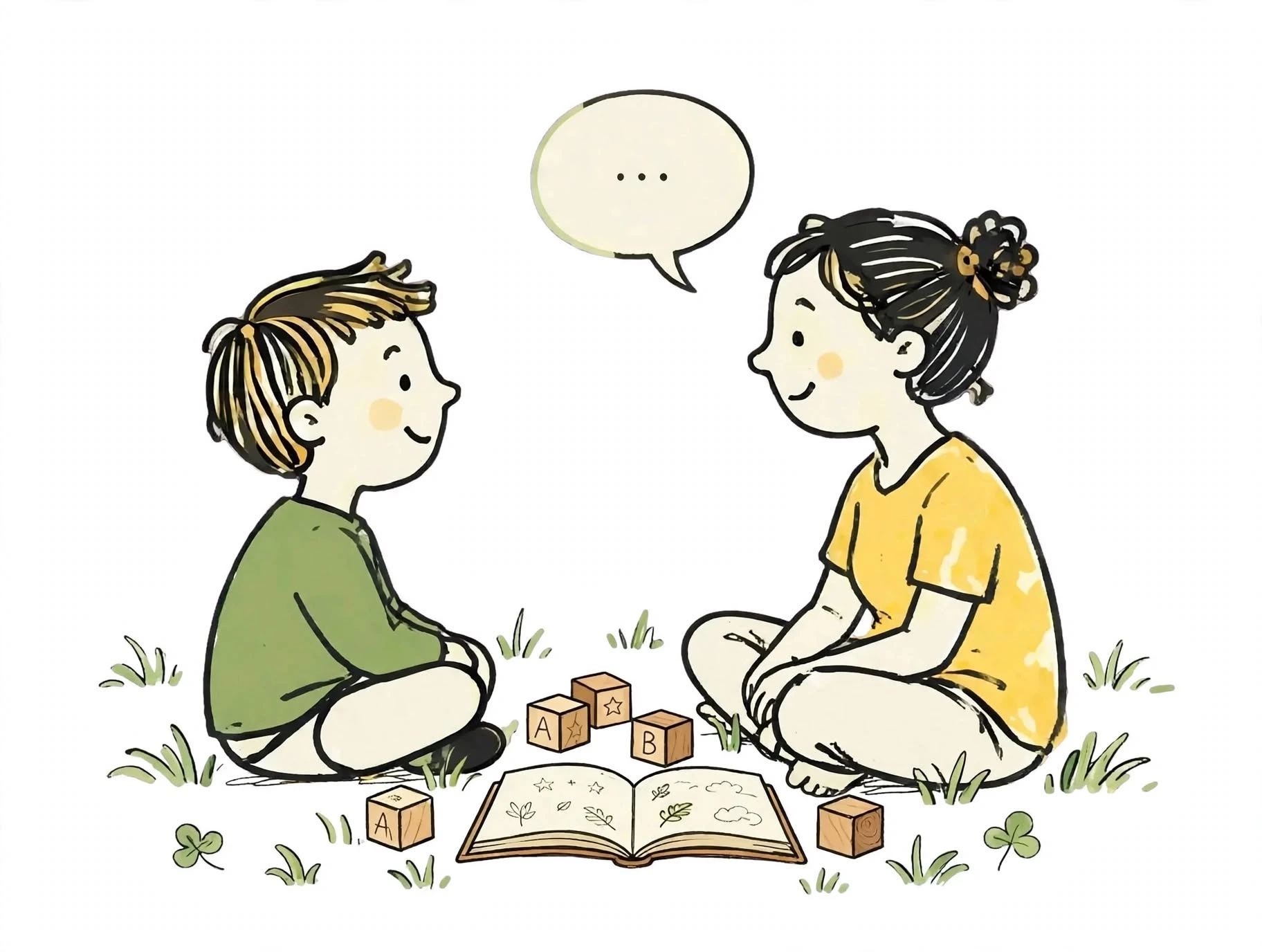
Children communicate with the people who matter to them — at school, at home, with friends, siblings and the adults around them.
That’s why, where appropriate, I work collaboratively with parents, carers and education staff.
Sharing knowledge and building a shared understanding can help the adults around a child respond in ways that support their communication throughout the day.
The goal is for communication skills to become part of everyday life, not something that only happens during therapy.
Creating the right conditions for communication to grow
For me, good therapy isn’t simply about completing activities or ticking off targets.
It’s about creating the right conditions for a child to engage, participate, communicate and develop in a way that feels right for them.
That means listening carefully, noticing what motivates them, adapting when something isn’t working and celebrating the progress that matters to them.
Sometimes the most meaningful changes happen in small moments.
✦ A little more confidence
✦ A little more independence
✦ A little more connection
And those moments matter.
Every child has something to say
In their own way, and in their own time.
My role is to listen, understand and support each child to find the ways that work best for them.
Where words grow and confidence follows.